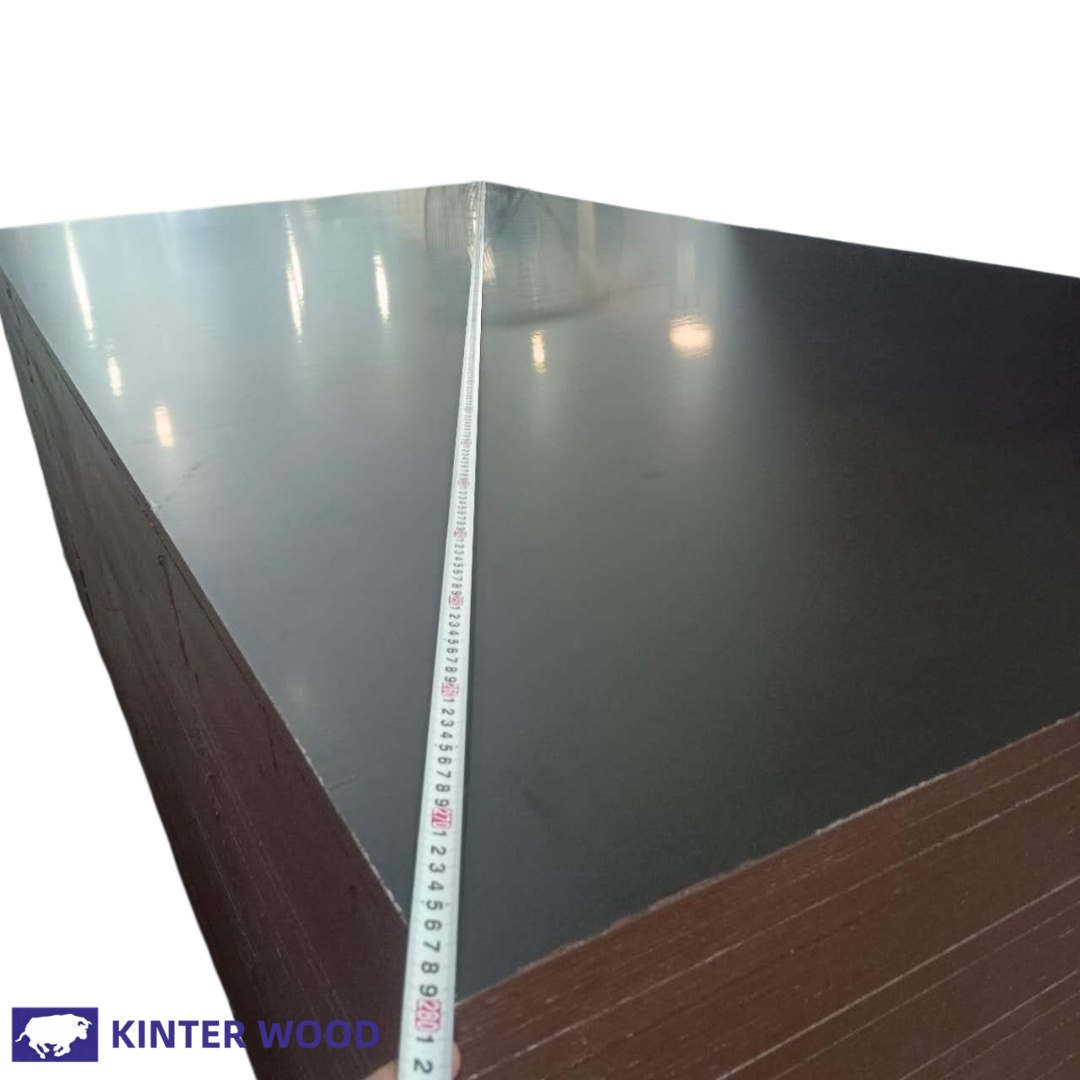

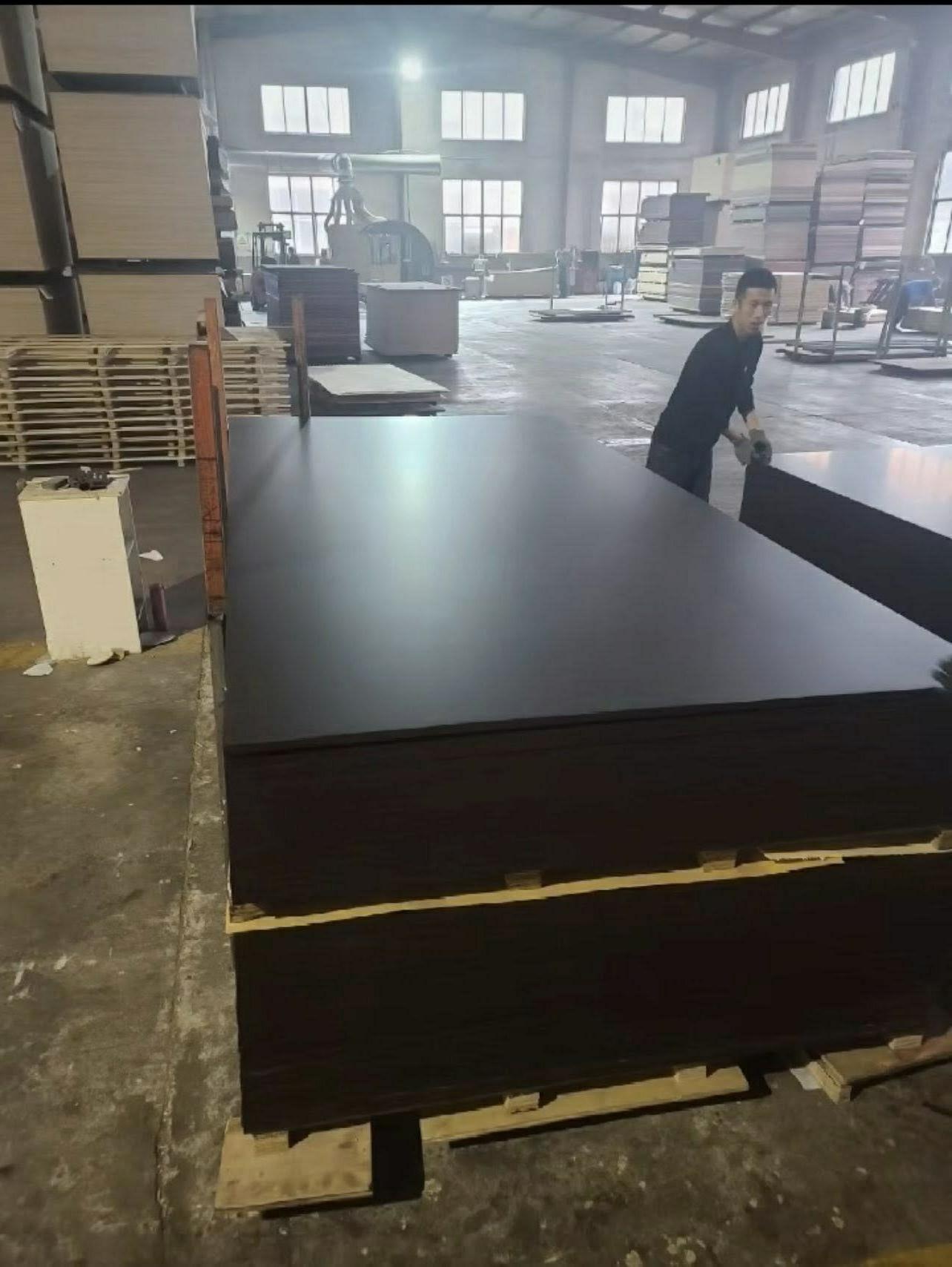
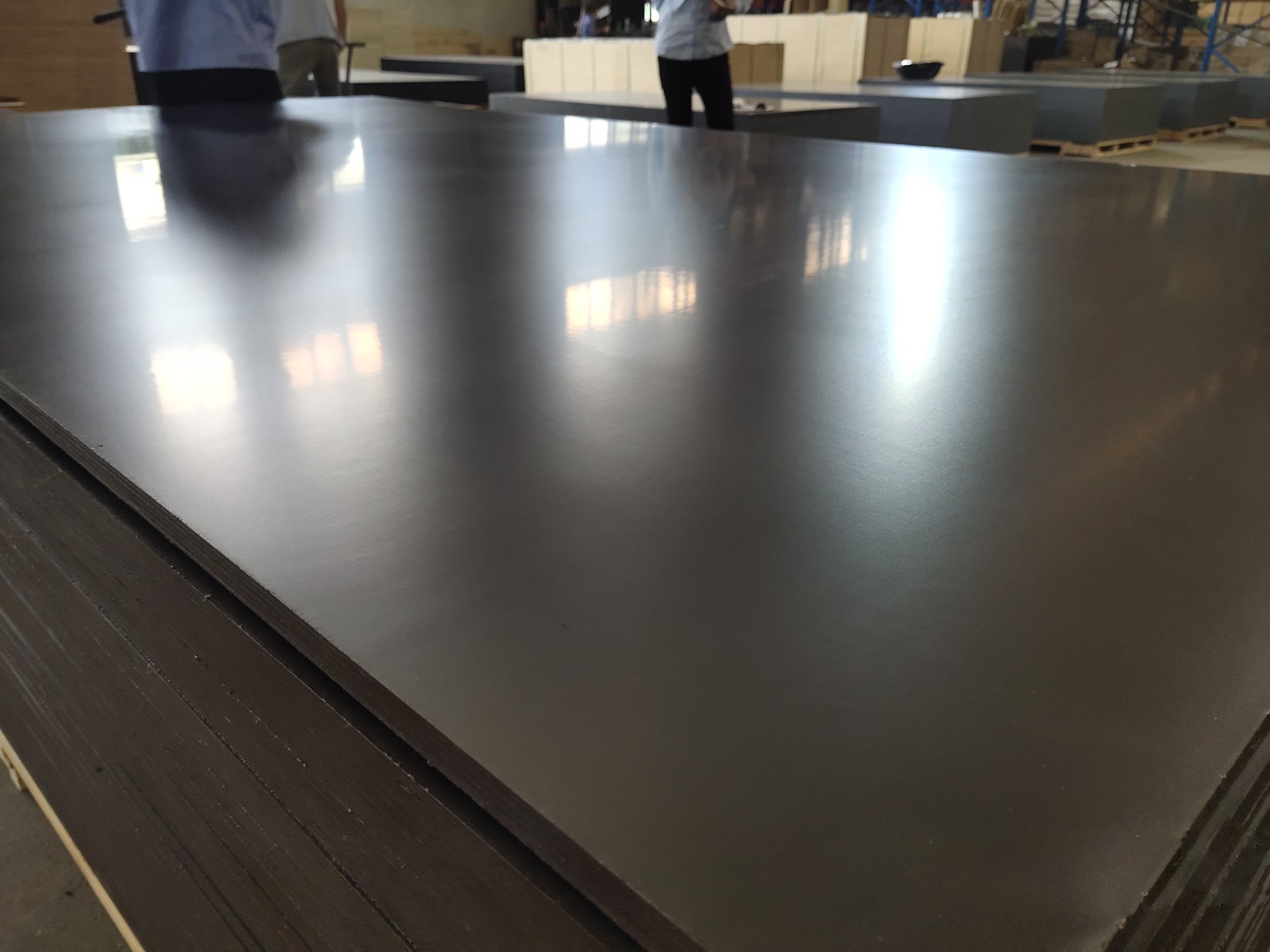
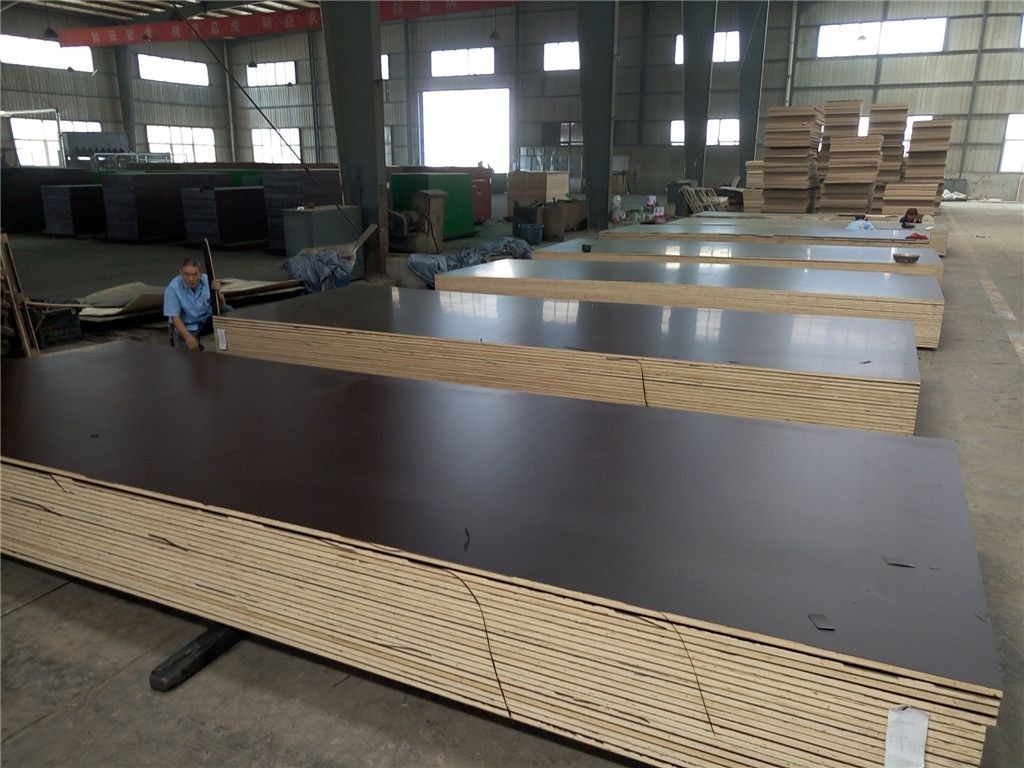
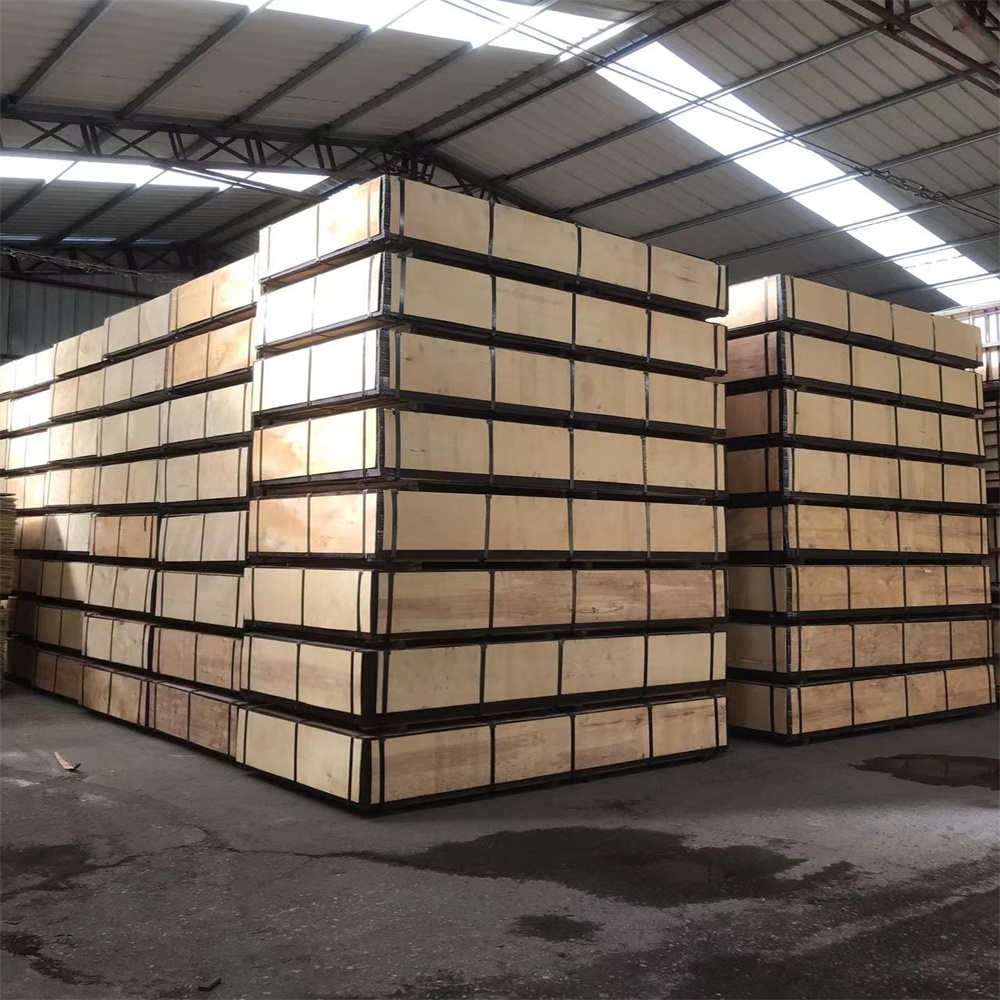
What Is Film Faced Plywood?
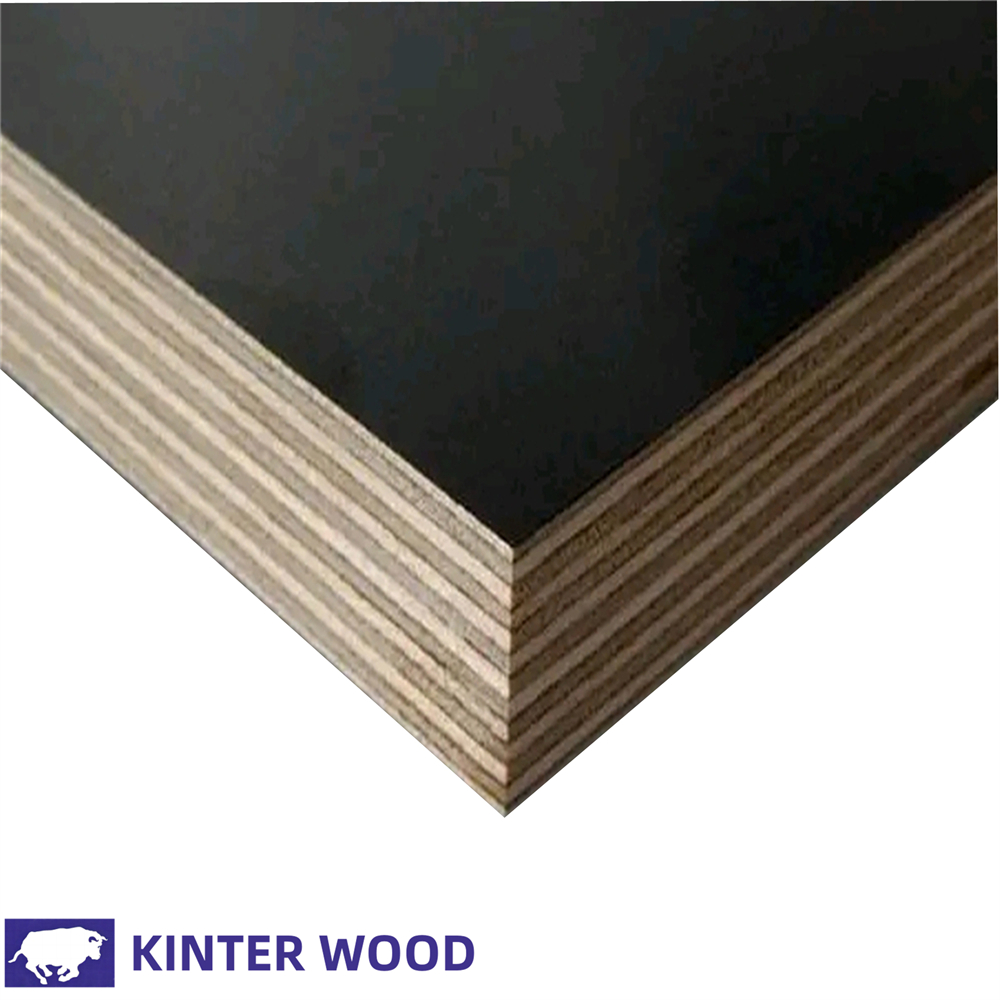
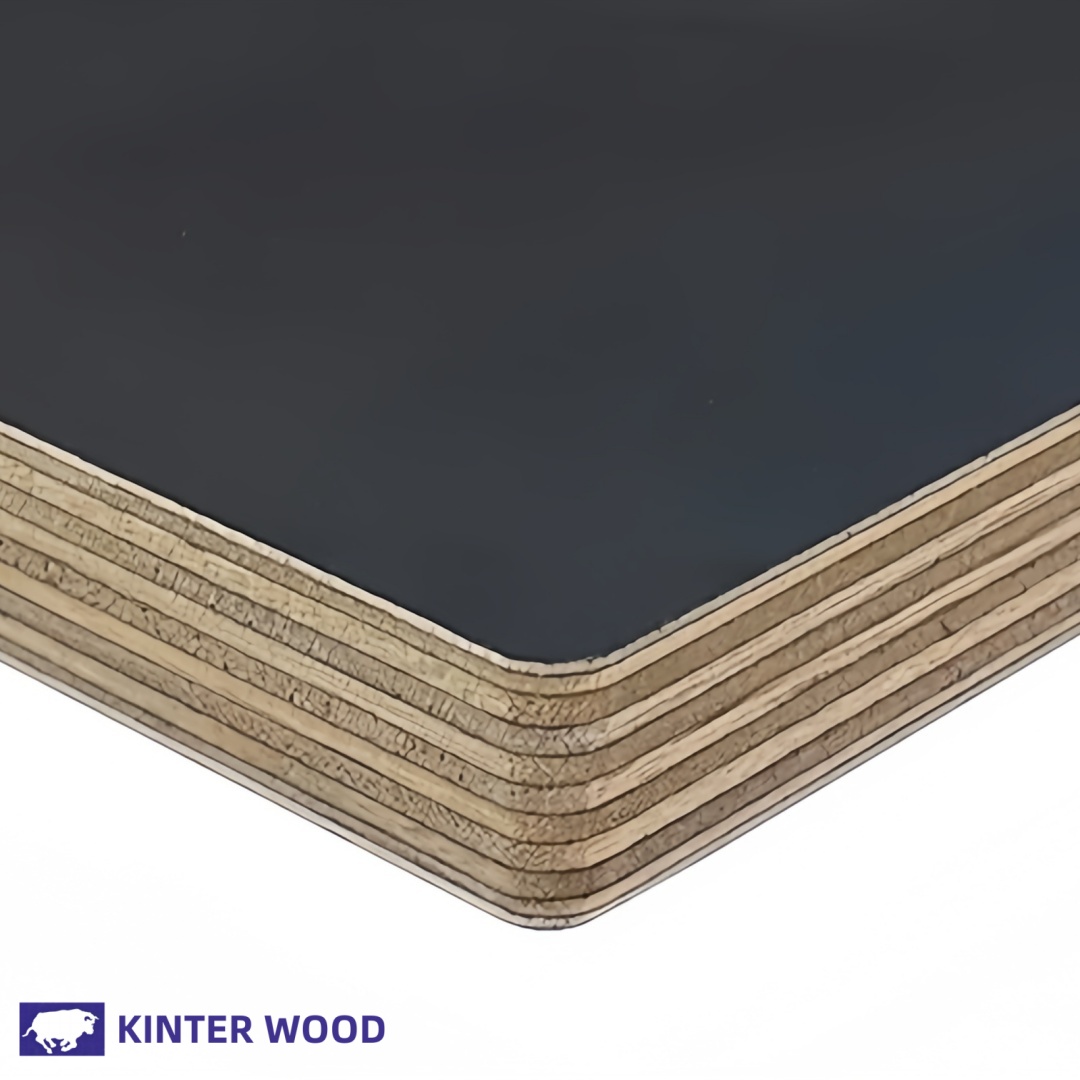
In film-faced plywood, films made of phenol, melamine, or plastic cover the inner core of the wood. This makes them water-resistant and suitable for outdoor use.
Compared to regular plywood, it is stronger and more durable. Besides, it is available in different grades for various uses, from industrial to decoration.
Why Use Film-Faced Plywood? – Advantages
Versatile application: Higher-grade film-faced plywood is suitable for outdoor usage where robustness is essential. You can use them for construction, making furniture, stage, etc. Again, you can use low-graded ones for packaging and other needs where quality is not prime. This makes film-faced plywood highly versatile.
Cost-effective solution: This plywood is cheaper than natural wood or steel plywood. Therefore, you can save money by using film-faced plywood for your project.
Durable and weather-resistant: The film coating of these plywood makes them highly weather-resistant. You can use them in heavy rainfall or sunlight without worries. Besides, corrosive resistance, UV resistance, and moisture-proof are some of its features, making them more durable.
Easy workability: You can easily cut and size the film-faced plywood without professional help. This makes the installation method easy and convenient. Drilling or nailing plywood is also quicker than nailing steel plywood. 
Things To Consider While Purchasing Film Faced Plywood
All film-faced plywood doesn’t have the same capabilities. So, before you spend money on buying these, check on the following factors:
Core or Wood Type
The core is the body part of film-faced plywood coated by the outer films. The quality of the core defines the grade or how good the plywood is. Here are the widely used cores or woods in film-faced plywood:
>Birch plywood is highly strong and widely used in construction formwork. It is a hardwood resistant to wrapping or twisting. However, birch plywood is available in different grades and can be used for versatile applications.
Pros | Cons |
|
|
>Poplar Plywood >Poplar is also hardwood but it is not as strong as birch woods. It is lightweight and mostly used for interior decoration. You can use it to make shelves, cabinets, interior paneling, and other decorations.
Pros | Cons |
|
|
>This plywood is eco-friendly due to the fast-growing nature of eucalyptus. You can use it for large-scale production. Nevertheless, compared to birch plywood, this eucalyptus is more water resistant and so is ideal for outdoor uses.
Pros | Cons |
|
|
Film Material
The film or the outer coating of film-faced plywood is made of water-resistant materials like- phenol, melamine, or PVC/plastic. This keeps the inner core protected from direct water and heat contact.
Phenolic films are highly water resistant and used in high-grade film-faced plywood. Melamine films are, however, more affordable than phenolic films. But if you want maximum waterproofing, plastic film-faced plywood is best. You can use it for vehicle flooring, stage, outdoor wall decoration, and places that require high chemical resistance.
Film Color
Black, brown, and red are widely used films used in film-faced plywood. But you should consider color as a quality checking factor; they only relate to visual appeal. Many manufacturers also offer customizable film colors. You can also paint the films to get your desired outlook.
KINTERWOOD’s red and brown film-faced plywood is covered with phenolic glue to ensure maximum water protection. In contrast, we use melamine glue for black film-faced plywood. Besides, our plastic film-faced plywood comes in blue and green film.
Surface Finish
To achieve the desired outcome, you must consider the finishing of the film-faced plywood’s surface. The surface can be smooth, textured, or anti-slip—choose which one you need for your project.
Smooth film-faced plywood
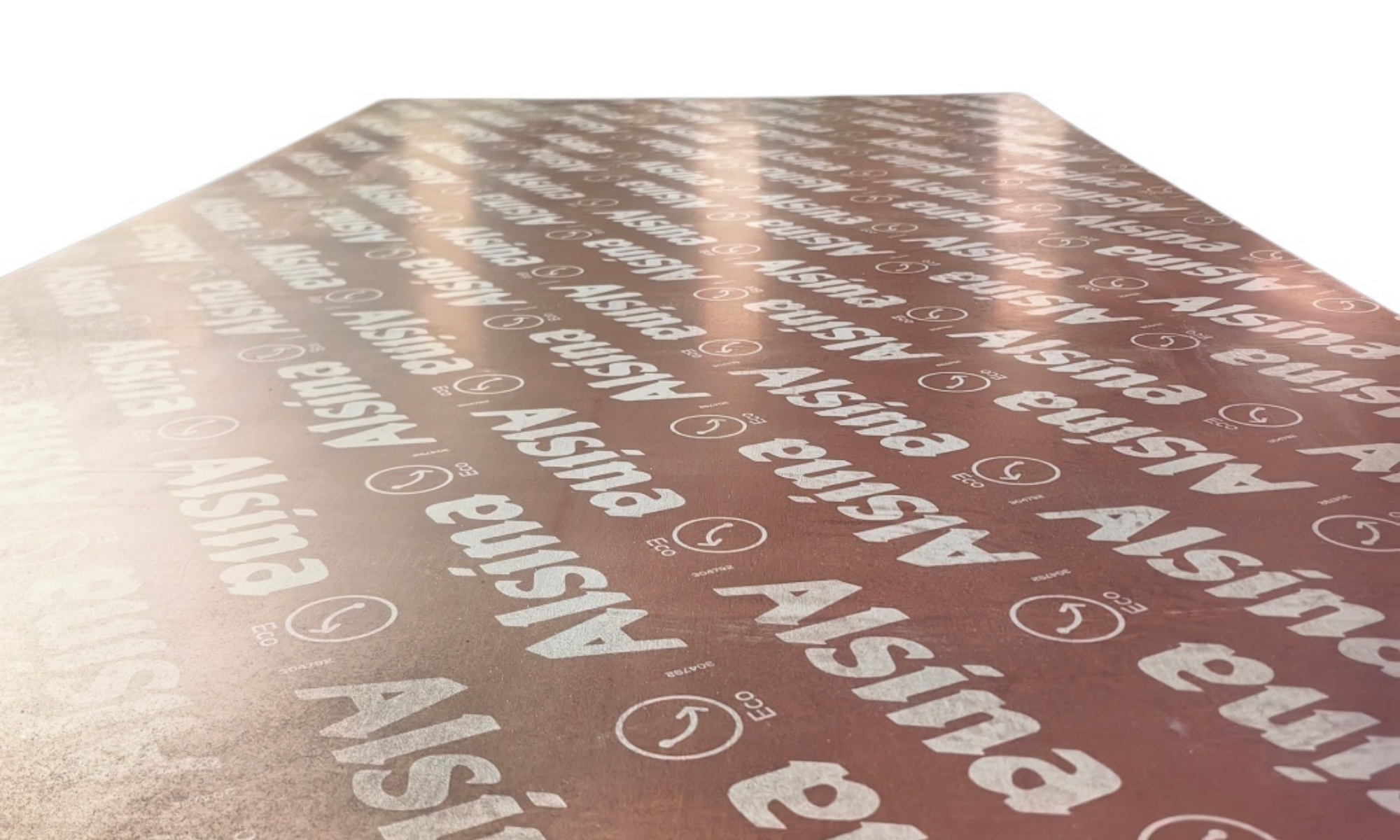
Smooth film-faced plywood is the basic one ideal for concrete formwork. It can have a matte or glossy finish. You can use it for ceilings, walls, panels, and places where a smooth surface is desired.
Textured film-faced plywood
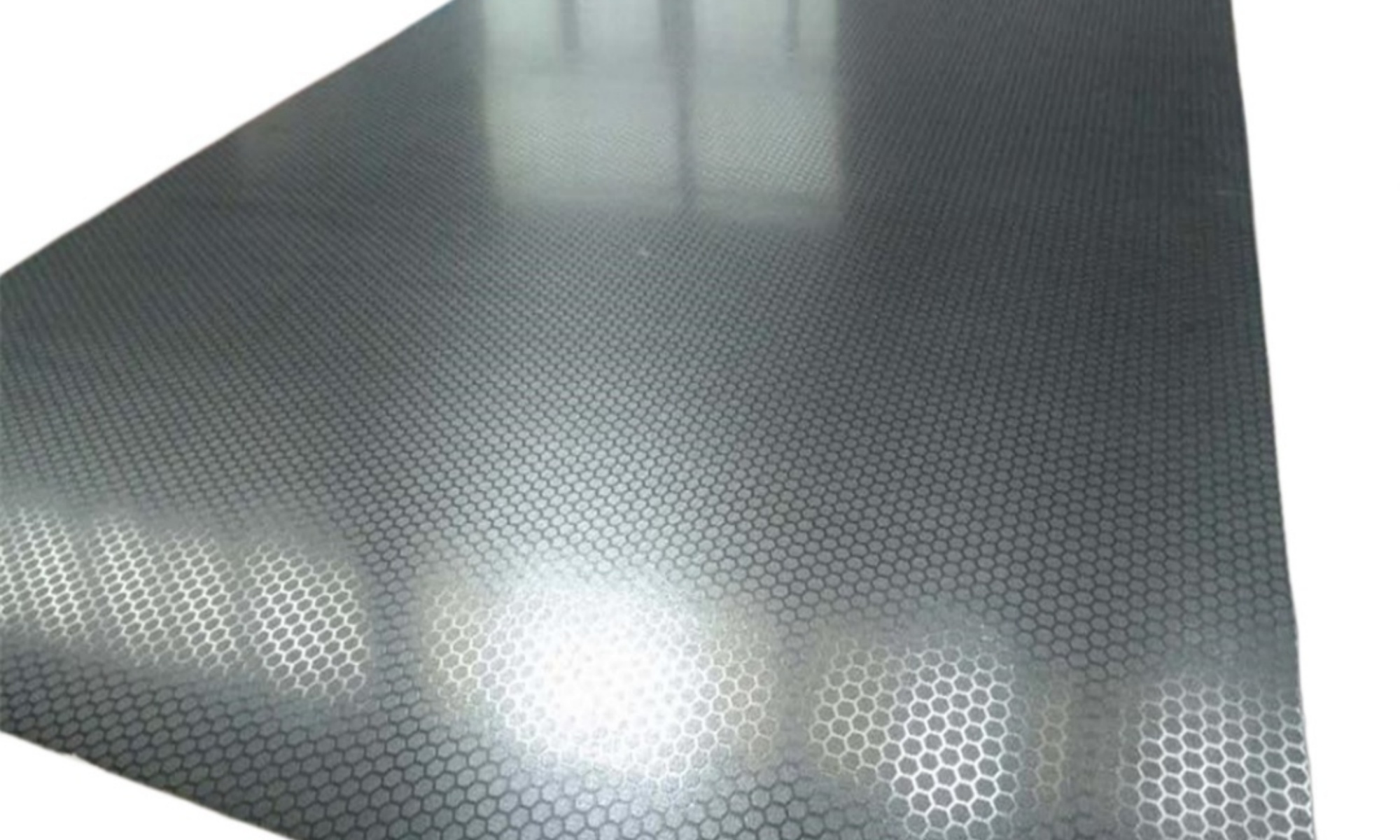
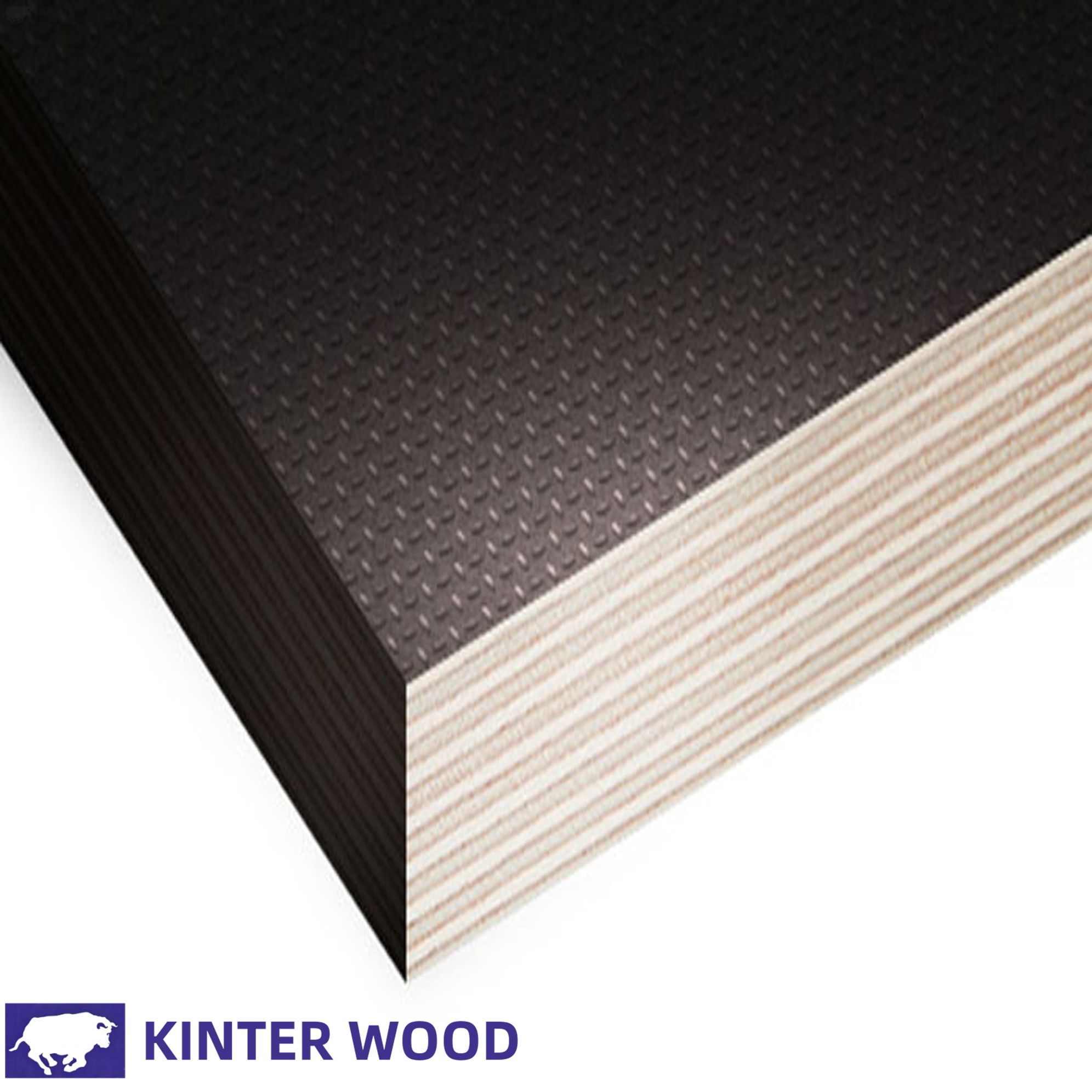
To add depth and aesthetic visuals, go for textured film-faced plywood. They come in different design patterns, such as diamond patterns or square boxes. The texture on the surface adds additional grip to the plywood.
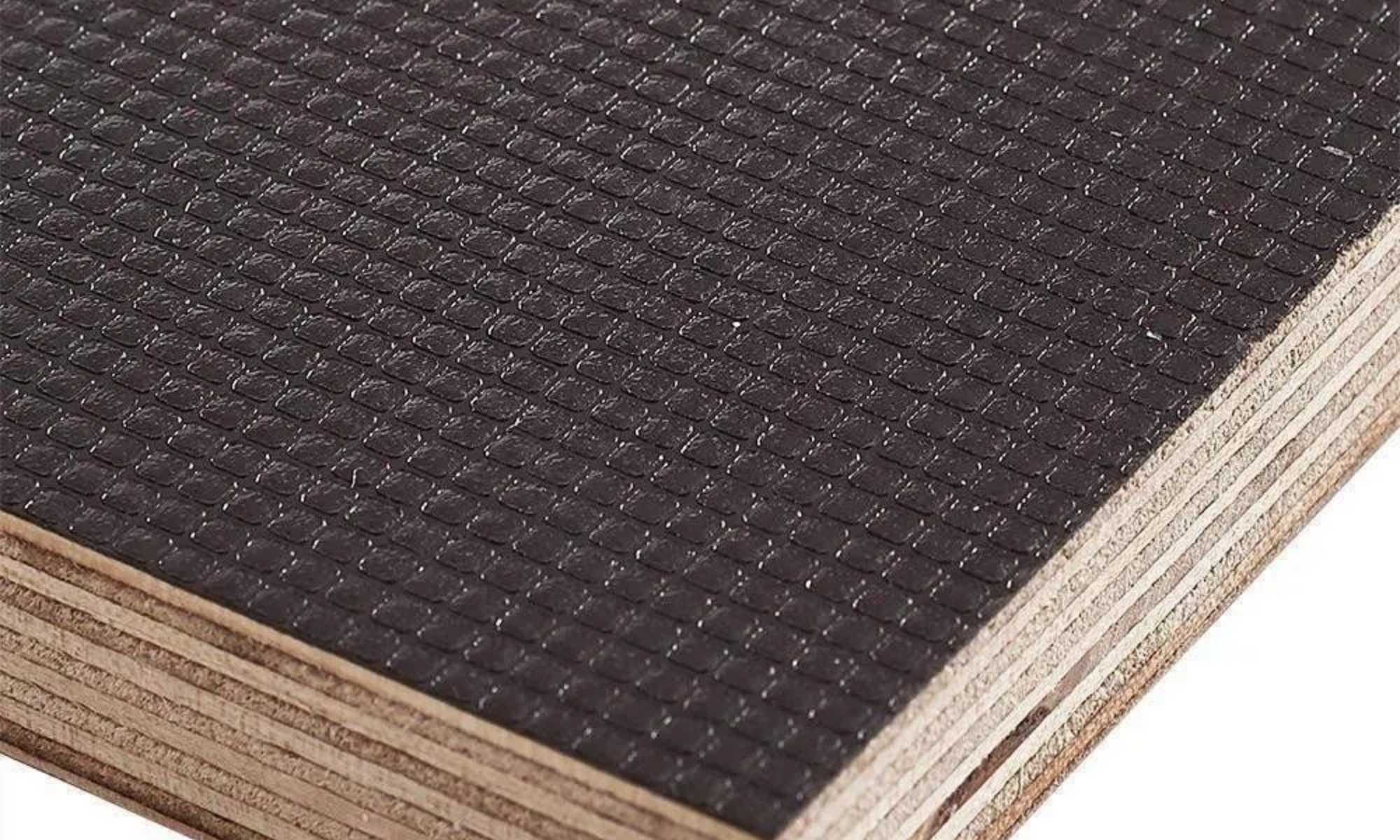
If you install plywood in wet and slippery areas, purchase anti-slip film-faced plywood. It can be used on sports venues, stages, vehicle floors, etc.
Grade
The quality of the plywood is determined by its grade (A, B, C, and D). The higher the grade, the better the plywood quality- more durable and water resistant. Grade A or B uses phenolic glue for high strength and durability. You can use them in places that require high bearing capacity. Nevertheless, you will find visible defects in grades C and D. You can utilize these low-quality plywood for packaging and low-cost projects.
Density Of Film Faced Plywood
Density refers to the mass per unit volume of the plywood. It determines the robustness and durability of the film-faced plywood. Higher density means more strength that can support significant weight. Such plywoods are more expensive than low-density ones. The density of different types of film-faced plywood are as follows:
Type Of Film Faced plywood | Density |
Birch Film Faced Plywood | 680~760 kg/m³ |
Hardwood Film Faced Plywood | 580~660 kg/m³ |
Poplar Film Faced Plywood | 530~580 kg/m |
Water Resistance
The water resistance of film-faced plywood depends on numerous factors, such as the type of film, core type, adhesive, and thickness. A-grade plastic and phenolic films of higher thickness have greater water resistance properties. Consider whether you will use the plywood indoors or outdoors to determine the water resistance level.
Bearing Capacity Of Plywood
The bearing capacity of film-faced plywood determines the load it can take without deforming. Plywood’s thickness, density, and wood impact its bearing capacity.
You must consider the usage to decide on bearing capacity. For instance, medium bearing capacity is enough if you want to use plywood for bookshelves. However, making shelves for heavy machines or similar items requires high bearing capacity.
Thickness & Size
Film-faced plywoods are available in variable thicknesses and sizes based on manufacturer standards. For example- KINTERWOOD film-faced plywood comes in four standard sizes (length x width ) –
2440х1200/2500х1250
610mm x 2440mm
1220х2400/1250х2500
305mm x 2440mm
1500x3000/1525x3050 (5x10)
However, you can request 5-40mm customization to meet your requirements.
Using Purpose: Application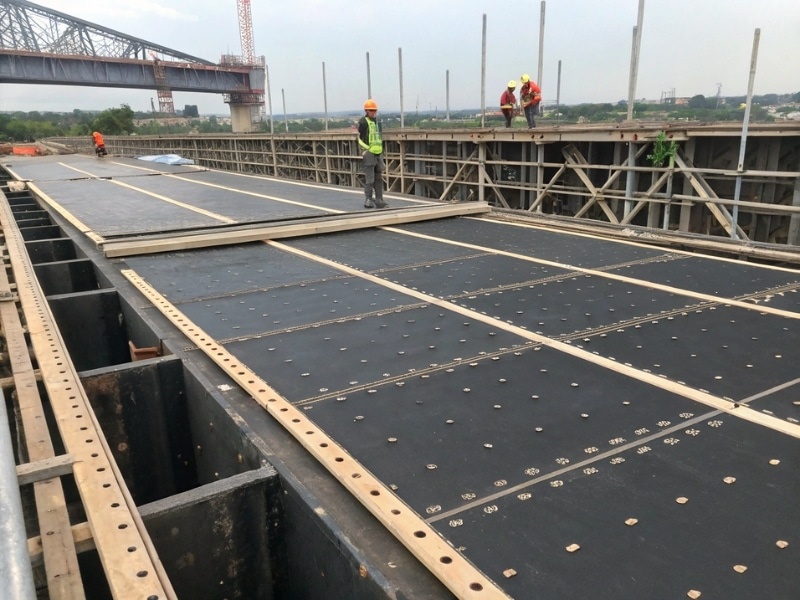
Investing in grade-A film-faced plywood for low-budget projects will bring loss to your business. If you don’t want to go through losses, know the uses of specific plywood types:
Film Faced Plywood | Uses |
Plastic Film Faced Plywood | Building formwork, stage, vehicle floor, exterior wall decoration, etc. |
Anti-slip Film Faced Plywood | Stages, steps, pedals, sports venues, engineering vehicle floors, etc. |
Hardwood Film Faced Plywood | Facades, floors, construction works, walls, partitions, etc. |
Manufacturer Certification
Certification ensures the reliability and quality of the product. When purchasing film-faced plywood, look for FSC, CE, CARB, and Origin certifications. KINTERWOOD has all these certifications. We can also provide any required certifications if you request a customized product.
Price & Value
The price of film-faced plywood depends on its density, wood type, water resistance, thickness, and more. High-density and higher-grade plywood are more expensive than low-graded ones. The price also varies from brand to brand. So, compare the prices and quality to pick the best deal.
Tips To Buy High-Quality Film Faced Plywood
1.Ask For Sample
Before ordering in bulk quantity, request samples from the manufacturers. This will allow you for physical testing. For better results, ask multiple companies to compare their product and pick the best film-faced plywood for your project.
2.Test Glue Quality
A robust glue is essential for film-faced plywood to ensure durability and strength. Usually, phenolic or melamine glue is used on these plywoods. Boil the received sample for 10 to 24 hours; good quality film-faced plywood can withstand this.
3.Inspect the Film Coating
Visually inspect the film coating to check the smoothness of the surface or any visible patches. Ensure the plywood edges are properly sealed. Color uniformity also matters if you purchase film-faced plywood for applications where look matters, e.g., furniture.
4.Look For Customized Size
Buy film-faced plywood from manufacturers that offer customization facilities. Consider customizing veneer grade, film, size, thickness, color, glue, and core. This will provide you with ideal plywood that suits your application requirements.
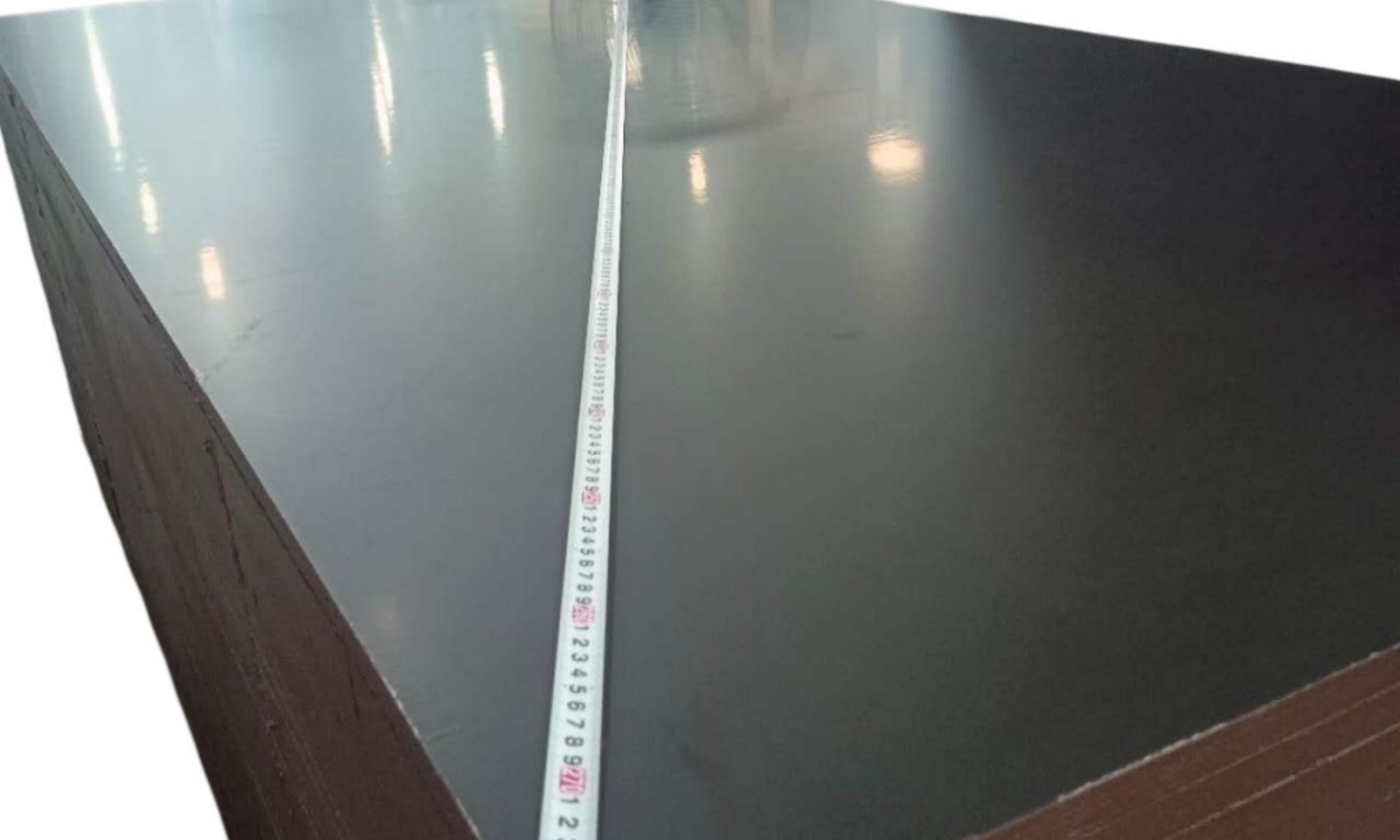
5.Measure Thickness & Dimension Manually
Using a messing tape, check the plywood’s thickness, length, and width. This will ensure the item you are ordering is of appropriate size.
How To Paint Film Faced Plywood?
You can paint the film-faced plywood by following three simple steps:
Step 1: Preparing the surface for coloring
First, clean the film-faced plywood’s surface with a wet cloth to remove dirt and dust. Then, create a rough texture using sandpaper. Use filler to fill the holes or unwanted gaps. Next, clean the surface again to remove the residues. Now, apply a good-quality primer to smoothen the surface for coloring.
Step 2: Taping and selecting a color
Tape the areas of the film-faced plywood that you don’t want to paint. Choose a color that suits your application. You may need to add additional elements to get the accurate consistency of the color. Besides, for outdoor uses, make sure the color you purchase is waterproof and made of wood. Latex, acrylic, or oil-based paints are easier to work on wood.
Step 3: Painting the film-faced plywood
You can use a brush, spray, or sponge to paint. For beginners, a brush is the ideal choice to get greater control over coloring. Apply multiple coats and let the plywood dry.
Regular Plywood Vs. Film Faced Plywood
Criteria | Regular Plywood | Film Faced Plywood |
Presence of film | No film layer is present | Wood veneer layers are coated with melamine or phenolic film. |
Water resistance | Low | High |
Strength | Low to moderate | Moderate to high |
Price | cheap | Expensive due to the presence of film coating |
Reusability | Usually not reusable | Can be used multiple times |
Finish | Requires finishing for a smoother surface | Pre-finished surface, no finishing task requires |
Common-use | Furniture, interior paneling, flooring, general construction | Concrete formwork, shuttering, and other industrial fields |
Film-Faced Plywood Alternatives
Natural Wood
Using natural wood gives you exquisite visuals and texture of real wood. You can use them both for interior and exterior purposes. However, you must choose the wood species wisely to get better quality.
Steel
Steel is the best alternative to film-faced plywood if you want a robust solution. They are fire resistant and have high stretch. However, the major drawback is that steel plywood is extremely heavy and expensive, and installation requires welding or bolting. Besides, you need to spend extra to make them corrosion-resistant.
Plastic
Plastic is a cheap and affordable alternative to film-faced plywood. It is lightweight and water-resistant. However, plastic plywood is sensitive to high temperatures and is not eco-friendly.
Honeycomb core
Honeycomb core plywood is lightweight and has higher insulation. But it is not as robust as film-faced plywood.
UV coated plywood
These are highly weather-resistant and excellent for outdoor installation where the plywood comes in contact with scorching sunlight. Nevertheless, UV-coated plywood is expensive and requires recoating to keep its UV-resistant feature effective.
Get The Best Quality Film Faced Plywood From KINTERWOOD
 KINTERWOOD product catalogue.pdf
Phone: +8615106661681
Tel: +8615106661681
Email: kinterwood@163.com
 QQ客服
QQ客服